

Shashank Joshi is widely recognised as one of the most insightful voices in contemporary discussions on defence, geopolitics, and international security. Through journalism, research, and policy analysis, he has developed a reputation for explaining complex global conflicts in a clear and informed manner. His work often explores military strategy, foreign policy, and the evolving relationships between global powers. Over the years, he has become a trusted commentator for policymakers, academics, and readers who want deeper insight into global affairs.
Joshi’s expertise lies in translating intricate geopolitical developments into accessible analysis. By combining academic understanding with practical policy knowledge, he helps audiences understand how conflicts and alliances shape the modern world. His contributions to journalism and defence commentary have therefore made him a respected figure within the United Kingdom’s strategic and media communities.
Early Life and Education
The early life of Shashank Joshi reflects a strong academic foundation that later shaped his professional path. Growing up with an interest in politics and international affairs, he developed curiosity about global power structures and strategic decision-making. This early fascination eventually directed him towards studying political science and international relations. Such academic exposure allowed him to build a deep understanding of global diplomacy, security challenges, and geopolitical history.
During his education, Joshi focused on analysing international conflicts and the strategic interests that drive them. He explored subjects such as military policy, global governance, and defence planning. This educational background later became a vital tool in his career, allowing him to interpret complex world events with authority and clarity.
Career in Journalism and Policy Analysis
A major turning point in the career of Shashank Joshi came when he began working in journalism and policy research. Over time, he became closely associated with The Economist, one of the world’s most respected publications on global politics and economics. As a defence editor and analyst, he contributes detailed coverage of military developments, international conflicts, and strategic policy debates.
His reporting often covers major geopolitical tensions, emerging security threats, and global military technology developments. By examining both Western and global perspectives, Joshi provides balanced insights into modern defence challenges. His role at The Economist has therefore helped shape public understanding of international security issues.
Expertise in Defence and Strategic Affairs
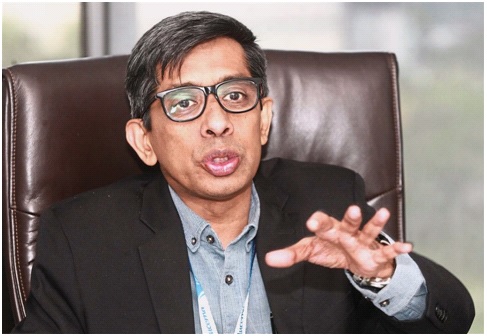
One reason for the growing influence of Shashank Joshi is his expertise in defence and strategic affairs. His work frequently focuses on global power competition, military alliances, and the strategic decisions made by governments. By analysing these topics in depth, he highlights the political and military factors that shape international stability.
His commentary often explores the changing nature of warfare, including cyber security, hybrid conflict, and advanced military technology. These subjects are increasingly relevant in modern geopolitics, where traditional battlefields are expanding into digital and economic arenas. Joshi’s ability to connect these developments with broader strategic trends has made his work widely respected among security experts.
Contributions to Public Debate
Beyond journalism, Shashank Joshi frequently contributes to public discussions on foreign policy and global security. His analysis appears in interviews, panel discussions, and policy forums where experts debate international developments. Through these platforms, he helps bridge the gap between academic research and public understanding.
His commentary is particularly valuable during major geopolitical events, when audiences seek clear explanations of rapidly evolving situations. By providing measured analysis rather than sensational reporting, Joshi supports informed public debate. This approach has helped strengthen his credibility among policymakers, journalists, and scholars alike.
Writing Style and Analytical Approach
The writing style of Shashank Joshi is often praised for its clarity and depth. Rather than focusing solely on headlines, he explains the historical and strategic background behind global conflicts. This allows readers to understand why certain events occur and what they might mean for the future.
Another defining aspect of his analysis is the balance between evidence and interpretation. Joshi relies on credible data, historical comparisons, and expert perspectives to support his arguments. This analytical approach ensures that his work remains informative, thoughtful, and credible in an increasingly complex media environment.
Influence on Global Security Discussions
Over time, Shashank Joshi has become an influential figure in global security discussions. His commentary is often referenced by researchers, journalists, and policy professionals who seek deeper insight into international conflicts. By explaining military developments and diplomatic strategies, he helps audiences understand how world events affect global stability.
His influence also reflects the growing importance of informed defence journalism. In an era of rapidly changing geopolitical tensions, accurate analysis is essential for understanding the risks and opportunities facing nations. Joshi’s work therefore contributes to a more informed public conversation about international security.
Impact on Modern Journalism
The career of Shashank Joshi demonstrates how specialised journalism can shape public understanding of global affairs. Defence reporting requires careful research, deep knowledge of strategy, and the ability to communicate complex information clearly. Joshi’s work reflects these qualities and highlights the importance of expertise in modern media.
By combining investigative reporting with strategic analysis, he offers readers more than simple news coverage. His articles encourage audiences to think critically about international politics and defence policy. As a result, his contributions have helped raise the standard of geopolitical journalism.
Conclusion
Shashank Joshi has established himself as a respected voice in defence journalism and geopolitical analysis. Through his work in journalism and policy discussion, he has helped audiences better understand the strategic forces shaping international politics. His ability to explain complex global developments in a clear and balanced way has strengthened his reputation among readers and experts alike.
As global security challenges continue to evolve, informed analysis remains essential for understanding world events. The work of journalists like Joshi plays a vital role in explaining these developments and encouraging thoughtful discussion. For readers interested in geopolitics, defence policy, and international strategy, his insights continue to offer valuable perspectives on the modern world.
FAQs
Who is Shashank Joshi?
Shashank Joshi is a British journalist and defence analyst known for writing about geopolitics, international security, and military strategy. He is widely recognised for his detailed commentary on global conflicts and defence policy.
What does Shashank Joshi do?
He works as a journalist and analyst focusing on defence and geopolitical affairs. His work includes analysing international conflicts, military technology developments, and strategic relationships between global powers.
Where does Shashank Joshi work?
Shashank Joshi is closely associated with The Economist, where he contributes analysis on defence and global security issues.
Why is Shashank Joshi well known?
He is known for providing clear explanations of complex geopolitical events. His expertise in defence policy and international relations makes him a trusted voice in discussions about global security.
What topics does Shashank Joshi usually write about?
His work typically covers military strategy, geopolitical tensions, international alliances, and emerging security challenges such as cyber warfare and modern military technology.
You may also read