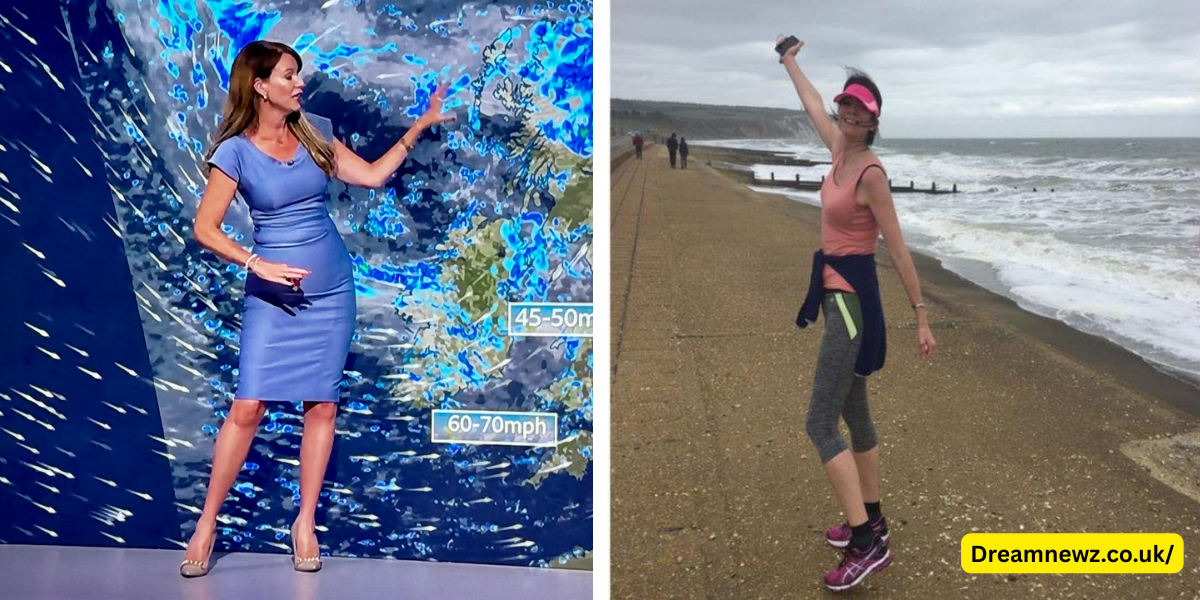
In recent days, a single on-air moment has sparked an outsized national conversation. It did not involve a breaking storm, a political gaffe, or a viral mishap. Instead, it centred on appearance, perception, and the uncomfortable spotlight placed on women in broadcasting. Searches for elizabeth rizzini hips have surged across the UK, turning a routine weather segment into a trending news story that reveals far more about public culture than about the presenter herself.
The reaction has been emotional, divided, and telling. Some viewers praised confidence and authenticity. Others questioned why such discussions happen at all. As the topic climbed Google Discover feeds, it became clear this was not gossip. It was a mirror held up to modern media habits, social media behaviour, and the pressures faced by women on national television.
How a routine broadcast became a national talking point
Elizabeth Rizzini is a familiar face to BBC viewers, known for calm delivery and professional presence. The sudden interest in elizabeth rizzini hips followed a standard on-air appearance that would normally pass without comment. Yet within hours, screenshots circulated online, accompanied by commentary that quickly snowballed into a wider debate. This was not driven by anything she said, but by how she looked while doing her job.
The speed of the reaction reflects how modern news cycles operate. A moment is clipped, shared, and discussed before context can catch up. In this case, the discussion moved from curiosity to criticism and then to broader questions about why women’s bodies remain a subject of public analysis, especially in mainstream broadcasting.
The social media reaction and why it escalated so fast
Platforms like X, Instagram, and TikTok played a central role in amplifying the discussion around elizabeth rizzini hips. Short clips and still images travel faster than long explanations, and algorithms reward engagement, not nuance. As a result, commentary multiplied, with opinions stacking on top of opinions, often detached from the original broadcast.
What stands out is how predictable the pattern has become. A female presenter appears on screen. Visual commentary follows. Then comes backlash against the commentary itself. This cycle keeps repeating, fuelled by likes, reposts, and the human tendency to judge appearances before substance. Media analysts note that these moments often say more about audience expectations than about the individual at the centre.
Women in broadcasting and the ongoing body image debate
The attention on elizabeth rizzini hips has reignited long-standing concerns about body image standards in UK media. Female presenters are frequently held to unspoken visual rules that their male counterparts rarely face. Age, clothing, weight, and posture are all scrutinised, often more intensely than professional competence.
Research from UK media watchdogs shows that women in broadcasting receive significantly more appearance-based comments than men. This affects confidence, mental health, and career longevity. The current conversation has drawn support from fellow journalists and viewers who argue that professionalism should be measured by clarity, credibility, and trust, not by physical shape.
Why this topic resonates with UK audiences right now
Timing matters. The surge in interest around elizabeth rizzini hips comes amid broader UK discussions about representation, inclusivity, and workplace equality. Audiences are increasingly aware of how narratives are framed and who gets judged more harshly. That awareness is shaping how stories trend on Google Discover and beyond.
There is also a generational shift at play. Younger viewers, raised on social media, are pushing back against outdated norms. Many have used this moment to call out double standards and demand more respectful discourse. This explains why the topic moved beyond tabloids into mainstream news analysis and opinion columns.
Media responsibility and the role of news consumption habits
Another layer to the elizabeth rizzini hips discussion involves media responsibility. Headlines, thumbnails, and article framing can either challenge or reinforce harmful narratives. When outlets choose to focus on appearance, they validate the idea that looks are newsworthy, even when no controversy exists.
At the same time, audience behaviour drives editorial decisions. High click-through rates reward sensational angles. This creates a feedback loop where trivial details overshadow meaningful reporting. Media experts argue that breaking this cycle requires both responsible journalism and more mindful consumption from readers.
What this moment means for future broadcasting culture
Looking ahead, the conversation sparked by elizabeth rizzini hips may mark a subtle turning point. While similar incidents have occurred before, the volume of pushback feels stronger this time. Viewers are not just consuming content; they are critiquing the culture that produces it.
Industry insiders predict that broadcasters will continue refining guidelines around on-air presentation and social media engagement. Training on handling viral scrutiny is becoming more common. The hope is that future generations of presenters will be judged primarily on expertise and connection with audiences, not on physical attributes frozen in a screenshot.
A wider lesson about attention, respect, and relevance
At its core, the story of elizabeth rizzini hips is not about a body part. It is about attention and how easily it can drift away from what truly matters. It highlights how quickly professionalism can be overshadowed by superficial focus, and how public conversations can either reinforce or challenge that tendency.
As UK media continues to evolve, moments like this force a choice. Audiences can reward depth over distraction, and outlets can prioritise substance over clicks. The way this story is remembered will depend on which path is taken.
The next time a familiar face appears on screen, ask what deserves attention. If you care about healthier media culture, share thoughtful perspectives, support responsible journalism, and challenge narratives that reduce professionals to appearances. Your clicks, comments, and choices shape what trends next.
You may also read