
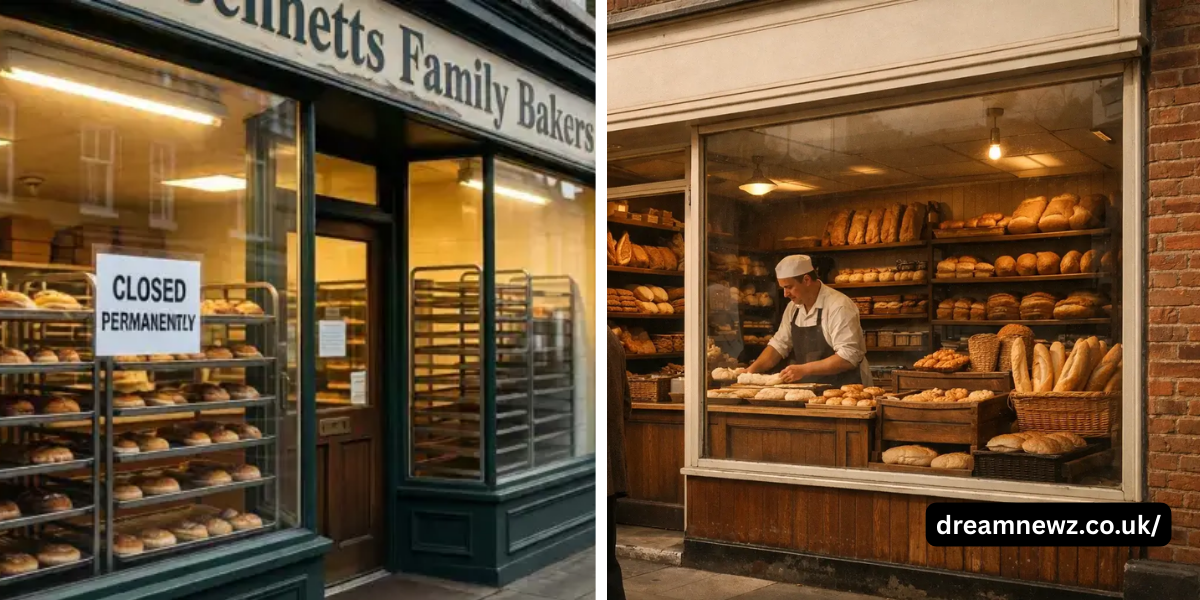
The news hit like a punch to the gut. For many Americans, waking up to headlines about the bennetts family bakers closure felt personal, almost like losing a trusted neighbor. This wasn’t just another business shutting its doors. It was the end of a brand woven into daily routines, family traditions, and childhood memories. Social media filled with disbelief, nostalgia, and one painful question: how could a beloved family bakery disappear so suddenly in today’s booming food culture? As the story unfolded, it revealed far more than a simple shutdown. It exposed deeper truths about rising costs, changing habits, and the fragile future of family-owned businesses in the United States.
What Was Bennett’s Family Bakers and Why It Mattered
For decades, Bennett’s Family Bakers stood as a symbol of community-driven baking. Known for fresh bread, pastries, and locally inspired recipes, the company built a loyal following across multiple states. Customers didn’t just buy products; they bought into a story of generations working side by side, passing down skills and values. The bennetts family bakers closure matters because it represents more than lost jobs or empty storefronts. It marks the fading presence of family-owned bakeries in an industry increasingly dominated by large corporations and private equity-backed brands.
What made Bennett’s special was its consistency and trust. Shoppers knew exactly what they were getting, whether it was a soft sandwich loaf or a holiday favorite. In an era where consumers crave authenticity, Bennett’s delivered it naturally. That’s why the closure triggered such an emotional response. It felt like proof that even doing everything “right” is no longer enough for traditional bakeries trying to survive in a fast-changing market.
Timeline of the Bennett’s Family Bakers Closure
The bennetts family bakers closure did not happen overnight, though it felt sudden to the public. Insiders say the warning signs began appearing over the last two years. Rising ingredient costs, especially flour, butter, and sugar, steadily ate into margins. At the same time, labor shortages forced higher wages and overtime expenses. Despite efforts to streamline operations, profitability kept shrinking, creating pressure that became impossible to ignore.
The official announcement came quietly, first shared with employees and suppliers before reaching the public. Within hours, the news spread rapidly across news outlets and social platforms. Customers rushed to remaining locations, hoping to buy one last loaf. By the end of that week, production lines slowed, delivery routes stopped, and a once-busy family bakery became a case study in how fast circumstances can change, even for well-loved brands.
Why Bennett’s Family Bakers Closed Its Doors
Several factors converged to make the bennetts family bakers closure unavoidable. Inflation played a major role, pushing operational costs to historic highs. Energy bills increased, packaging costs surged, and supply chain disruptions made reliable sourcing difficult. Unlike larger competitors, family-owned bakeries often lack the financial cushion to absorb long-term losses or renegotiate large supplier contracts.
Another major issue was shifting consumer behavior. While artisan bread remains popular, many shoppers now prioritize convenience and price over tradition. Discount grocers and mass-produced bakery items undercut smaller brands. Even loyal customers felt the pinch of rising prices and began trading down. In the end, Bennett’s faced a harsh reality: staying open would have meant sacrificing quality or identity, a compromise the family was unwilling to make.
Impact on Employees and Local Communities
The bennetts family bakers closure left hundreds of employees facing uncertainty. Many had worked with the company for years, some even decades. For them, this was more than a paycheck. It was a workplace built on relationships, stability, and pride. Losing those jobs meant scrambling for new opportunities in a competitive labor market, often without comparable benefits or schedules.
Local communities also felt the loss deeply. Bennett’s bakeries supported nearby farmers, delivery drivers, and small suppliers. Schools, charities, and local events often relied on the company’s donations and sponsorships. When a family-owned bakery closes, the ripple effects spread far beyond its walls. Entire neighborhoods lose a gathering place, and local economies lose a reliable contributor, highlighting how closely small businesses are tied to community health.
The Broader Trend Facing Family-Owned Bakeries
The bennetts family bakers closure fits into a larger national trend. According to industry reports, small and mid-sized bakeries across the United States are closing at an accelerating pace. Consolidation is reshaping the food industry, with large corporations buying up brands or forcing them out through pricing power and scale. Family-owned bakeries often struggle to compete with national chains that can produce at lower costs and dominate shelf space.
At the same time, regulatory pressures and compliance costs continue to rise. Food safety standards, while essential, can be expensive to maintain. For multi-generation bakeries, modernization requires significant investment in equipment and technology. Without access to large capital reserves, many family businesses reach a breaking point. Bennett’s story, while heartbreaking, is becoming increasingly common.
Public Reaction and Social Media Response
When news of the bennetts family bakers closure broke, social media erupted. Former employees shared heartfelt stories, while customers posted photos of favorite products and memories tied to family gatherings. Hashtags related to the closure trended briefly, reflecting how deeply the brand resonated with people. Many expressed frustration, blaming corporate greed and economic policies for the loss of another family business.
At the same time, there was a wave of support. Calls to “buy local” resurfaced, and other independent bakeries saw temporary boosts in foot traffic. The closure sparked conversations about the true cost of cheap food and whether consumers are willing to pay more to preserve quality and tradition. While those discussions came too late to save Bennett’s, they may influence how people shop going forward.
Could the Closure Have Been Avoided?
Looking back, many wonder if the bennetts family bakers closure could have been prevented. Some experts argue that earlier diversification, such as expanding online sales or direct-to-consumer subscriptions, might have helped. Others point to potential partnerships or partial acquisitions that could have provided financial relief without fully giving up family control.
However, hindsight often simplifies complex realities. Transitioning a traditional bakery into a modern food brand requires time, capital, and risk tolerance. For a family-run operation, those risks can feel overwhelming. Bennett’s leadership reportedly explored multiple options before deciding closure was the most responsible choice. Preserving their legacy, rather than slowly eroding it through compromises, ultimately guided their decision.
What This Means for the Future of Local Food Brands
The bennetts family bakers closure serves as a warning and a lesson. Local food brands face a crossroads. Consumers say they value authenticity, but purchasing decisions often favor convenience and lower prices. If that gap continues, more family-owned businesses may disappear, replaced by uniform, mass-produced alternatives.
Yet there is also opportunity. Technology, direct sales, and community-supported models offer new paths forward. Bakeries that adapt quickly, tell their stories effectively, and build strong local loyalty may still thrive. Policymakers and consumers alike play a role in shaping that future. Supporting local brands is not just sentimental; it’s an investment in diverse, resilient communities.
Final Thoughts on the Bennett’s Family Bakers Closure
The bennetts family bakers closure is a sobering reminder that even beloved, well-run businesses are vulnerable in today’s economy. It highlights the pressures facing family-owned bakeries and the urgent need for support, innovation, and conscious consumer choices. Bennett’s may be gone, but its story carries weight far beyond its ovens and storefronts.
You may also read