
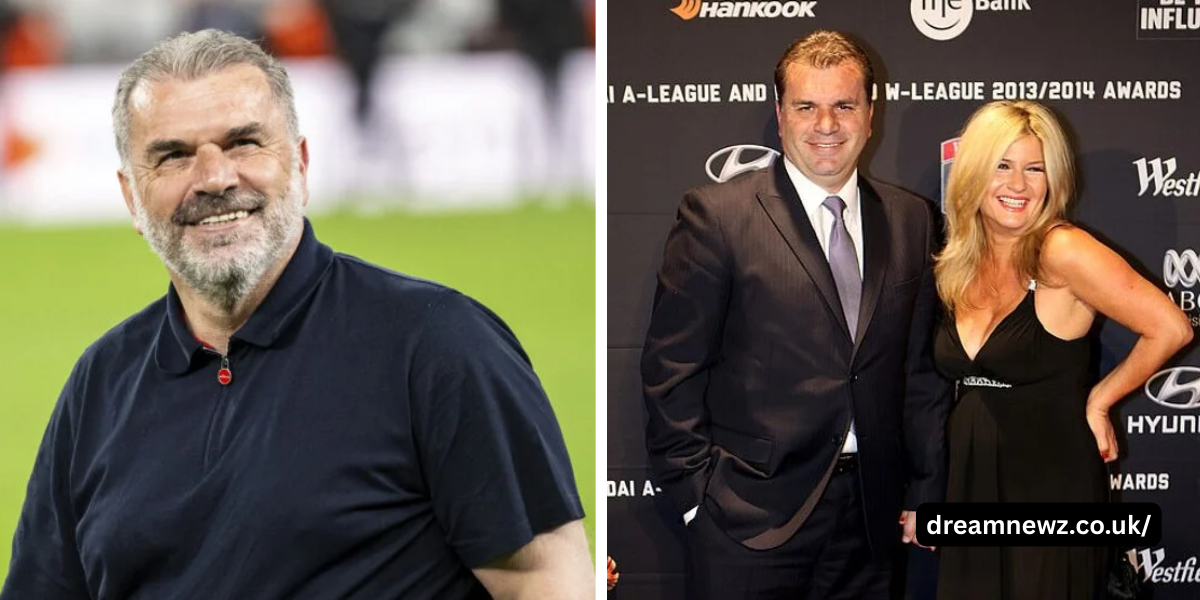
The mood around Tottenham Hotspur has shifted again, and this time it feels deeper than a run of results. From pub debates to radio phone-ins, one name dominates every conversation. Georgia Postecoglou has become more than just a manager under pressure. He is now the symbol of hope, frustration, belief, and uncertainty rolled into one dramatic Premier League story. Fans feel it. Players sense it. The board cannot ignore it. What happens next could define Spurs’ future for years, and the clock is ticking louder with every matchday.
Georgia Postecoglou and the weight of expectation at Tottenham
Georgia Postecoglou arrived in North London with bold promises and an attacking philosophy that instantly caught the imagination of supporters. His fearless approach was refreshing in a league often dominated by caution. Early performances hinted at a long-term vision built on intensity, courage, and identity. However, expectations at Tottenham are unforgiving. Once the initial excitement faded, results became the true measuring stick, and scrutiny followed quickly.
In the United Kingdom, managerial patience is rare, especially at clubs chasing Champions League football. Georgia Postecoglou now finds himself navigating that brutal reality. Injuries, fixture congestion, and tactical adjustments have all played a role. Yet supporters remain divided. Some admire his commitment to attacking football. Others question whether philosophy alone is enough to survive the Premier League’s relentless pressure.
Tactical identity that refuses to bend
One thing has remained constant under Georgia Postecoglou: his refusal to abandon attacking principles. High defensive lines, aggressive pressing, and full-backs drifting into midfield have become trademarks of his system. This style has produced thrilling victories and painful defeats in equal measure. Analysts praise the bravery. Critics argue it lacks balance against elite opposition.
In recent weeks, Premier League statistics show Tottenham ranking among the top clubs for possession and chances created, yet also conceding goals at alarming moments. That contradiction fuels debate across UK football media. Georgia Postecoglou believes long-term success demands consistency in style, not short-term compromise. Whether that belief wins trophies or costs him his job remains one of the season’s biggest unanswered questions.
Dressing room belief and player response
Behind closed doors, sources suggest Georgia Postecoglou retains strong backing from key players. Several senior figures have publicly defended his methods, pointing to improved training intensity and clarity of roles. Younger players, in particular, appear to thrive under his freedom-based system. That internal unity could prove vital during this turbulent phase.
Still, football history offers cautionary tales. Dressing room belief can fade quickly if results do not follow. UK pundits often note that modern squads demand both inspiration and pragmatism. Georgia Postecoglou must now ensure emotional loyalty converts into consistent performances. The coming fixtures may reveal whether his relationship with the squad is strong enough to withstand mounting external pressure.
Fan culture, social media, and rising noise
Few managers experience scrutiny like Georgia Postecoglou currently faces online. Social media platforms have amplified every tactical decision and substitution. Trending hashtags swing wildly after each match. One week he is hailed as a revolutionary. The next, questioned as stubborn. This digital noise shapes public perception faster than ever before.
In the UK, fan sentiment increasingly influences club narratives. Matchday atmospheres, podcasts, and supporter forums all feed into the wider conversation. Georgia Postecoglou has addressed this calmly, urging patience and perspective. However, history shows that sustained online pressure often reaches boardroom discussions. The challenge is not just winning matches, but winning belief in an age of instant judgment.
Boardroom patience and long-term vision
Tottenham’s hierarchy faces a familiar dilemma. Do they stay the course with Georgia Postecoglou’s project, or react to short-term turbulence? Club statements continue to stress long-term planning, youth development, and identity. Those words align perfectly with Postecoglou’s philosophy, at least on paper.
Yet Premier League financial realities are unforgiving. Missed European qualification can reshape budgets, recruitment plans, and commercial growth. Georgia Postecoglou stands at the intersection of vision and urgency. If results stabilise, he becomes the architect of a cultural reset. If not, he risks becoming another chapter in Spurs’ long managerial history.
What the numbers really say
Statistics offer a more nuanced view of Georgia Postecoglou’s reign. Tottenham remain among the league’s leaders for progressive passes, shots inside the box, and pressing efficiency. Expected goals data suggests performances often exceed results. That gap fuels optimism among analysts who believe a turning point is close.
However, defensive metrics tell a harsher story. Late goals conceded and dropped points from winning positions have cost valuable league standings. In the UK betting markets, odds on Tottenham’s top-four finish have fluctuated dramatically in recent weeks. Numbers do not lie, but interpretation matters. For Georgia Postecoglou, turning positive data into tangible outcomes is now essential.
Future predictions and what comes next
Looking ahead, the next two months could define Georgia Postecoglou’s legacy at Tottenham. A favourable run of fixtures offers opportunity, but also risk. Success could reignite belief and silence critics. Failure may accelerate difficult conversations at board level. UK football insiders suggest January recruitment could be crucial in supporting his tactical demands.
Long-term, Georgia Postecoglou’s influence on English football may extend beyond results. His commitment to attacking principles challenges prevailing trends and sparks debate across coaching circles. Whether he becomes a trailblazer or a cautionary example depends on what unfolds next. The margins are thin, and the stakes could not be higher.
You may also read